

Kukri Info
Khukuri of the Month
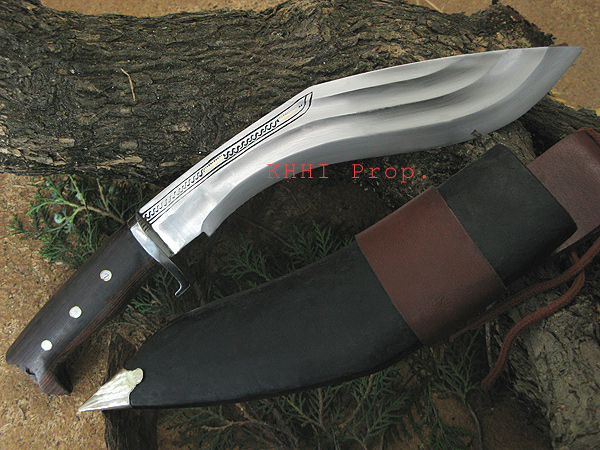
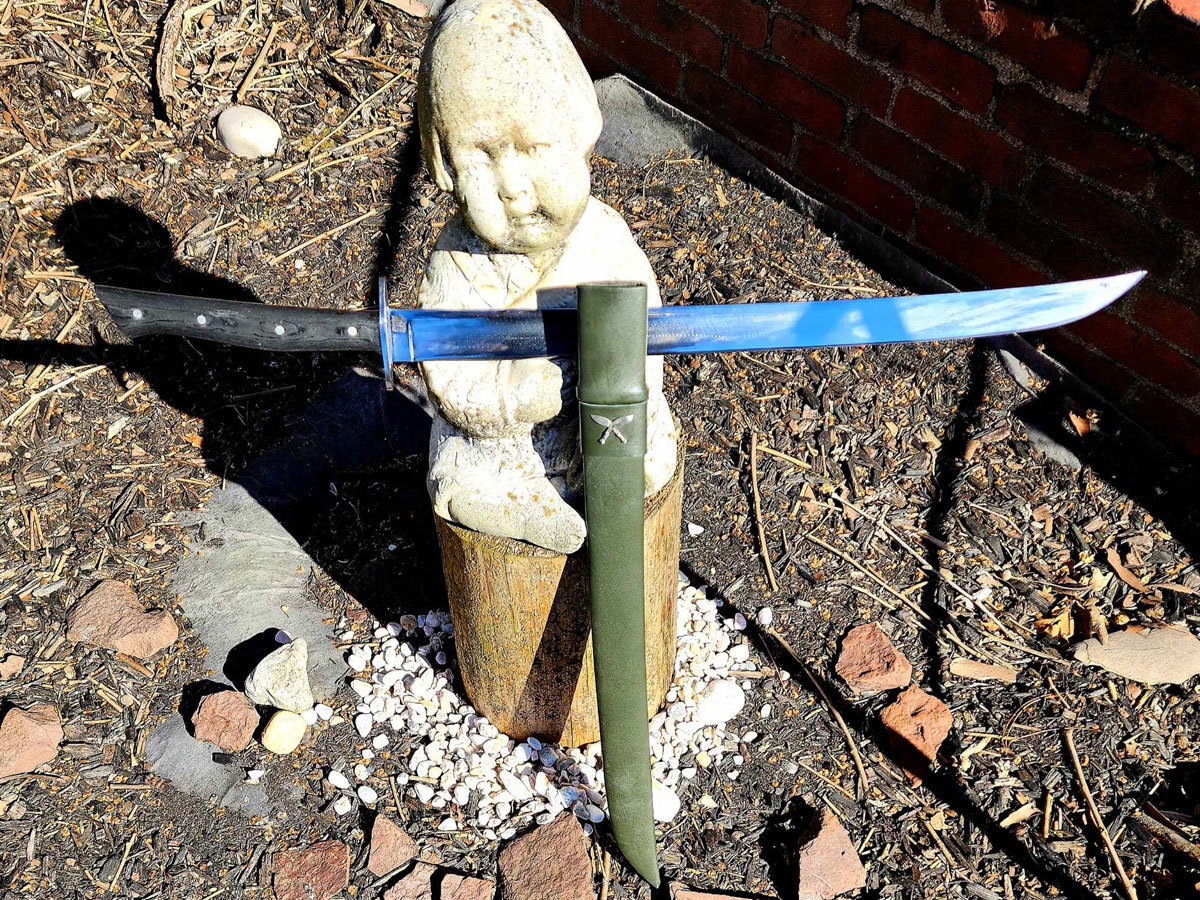
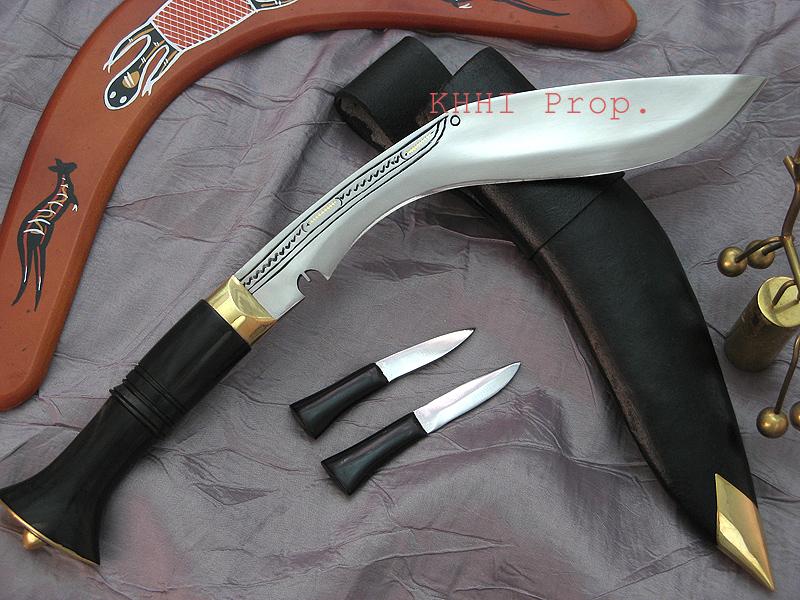
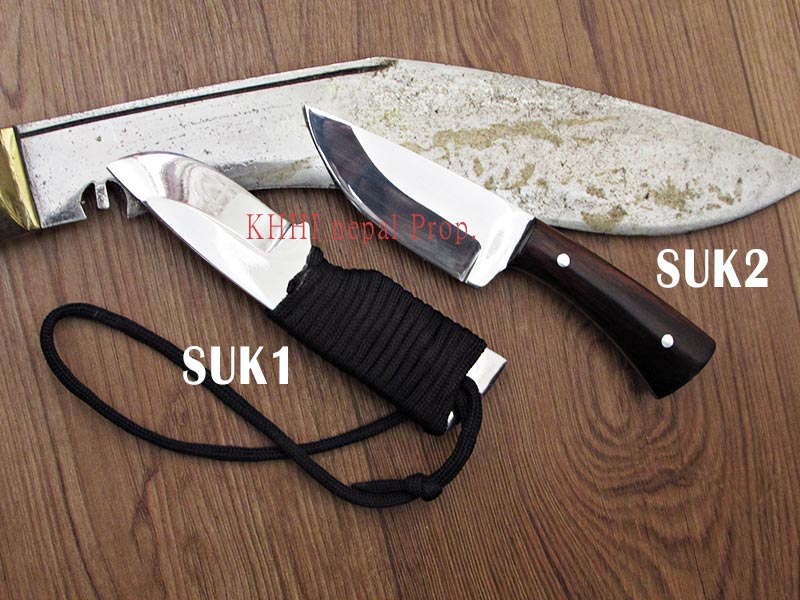
Blade Size (in): 2.5 in (SUKx 1)
Weight (gm): 100
USD 17.99
Origin of Kukri
Origin / History of the Kukri
None of us precisely know the fact as to how kukri originated or who initiated it. The original place and date have also lost in the midst of time. Even the spelling has been disputed or butchered (Kukri, Khukuri, Kukuri, Khukri, Kookuri etc) since someone first tried to describe this knife.
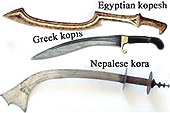
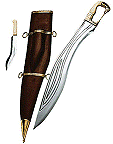 There are many beliefs and suggestions as to how the kukri came into existence. Amongst them, one of the most convincing and compelling is the Kopi’s version. Origin of the kukri has been unswervingly linked to the classic Greek sword or knife known as “ kopis”, which is about 2500 years old. The shape and style of the knife strikingly resembles the kukri (see picture). This claims that Kopis may well have been the direct ancestor of the kukri that we know today.
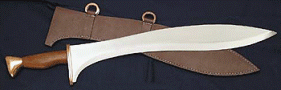 Some have also suggested that the “Machira or Machaira”, the cavalry sword of the ancient Macedonians that was carried by Alexander's soldiers when they invaded northwest India in the 4th century BC, closely resembels kukri. The sword was later copied by local black smiths or Kamis and perhaps further improvised or changed to better suit their need and demand. The Machira was also molded on practical and religious ground by different makers which later turn out to be a kukri.
Some also believe that kukri originated from a form of knife first used by the Mallas who came to power in Nepal in the 13th Century. There are many kukris still displayed in the National Museum at Chhauni in Kathmandu which prove this statement. The knives possessed by the Mallas are very similar to that of the today’s kukris. Similarly, some claim that the kukri was first used by Kiratis who ruled Nepal before Lichchhavi age, in about 7th Century. Present days’ kukris shape could well have been descended from the ancient Kiratis’ knives as well.
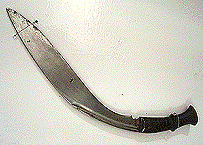 Other knife experts have also found similarities in the construction of some kukris to the crafting method of the very old Japanese sword. It could have derived from the sword too. However, it is also possible that the kukri is simply a design native to the hills of the Himalayas, perhaps originating from an agricultural tool (as which it continues to serve to the present day).
The people behind the successful story of the knife are the "Bishwakarma" ethnic group who are also known as the "Born Kukri Makers" who have been forging the knives since many generations and continue to do so with much pride and pleasure.
Whatever be the origin, a kukri is undoubtly one of the oldest knives that has survived the ever changing time and arguably the best knife man has ever possessed…
Exclusive offers

Custom Kukri Design

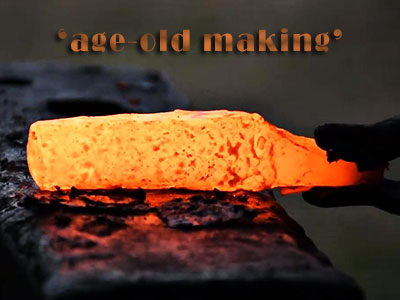
Primitive Kukri Making
BOOK now- PAY within a year