
|
|
|
| |
| Brief Intro: |
|
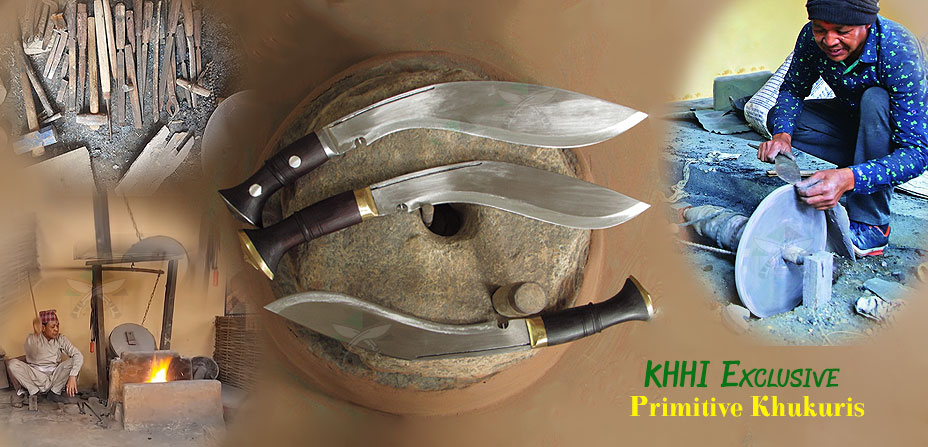
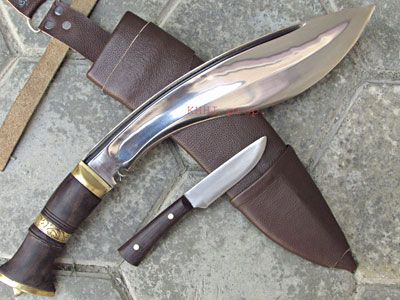
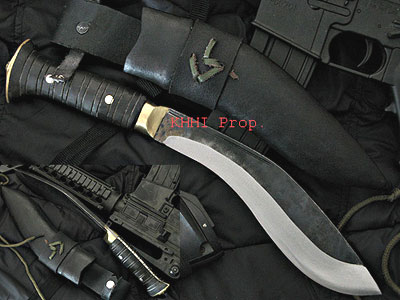
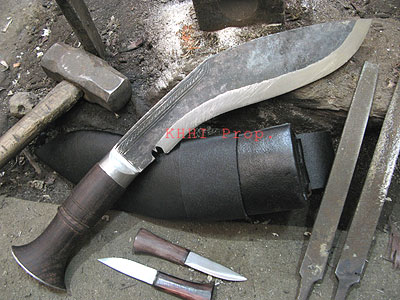
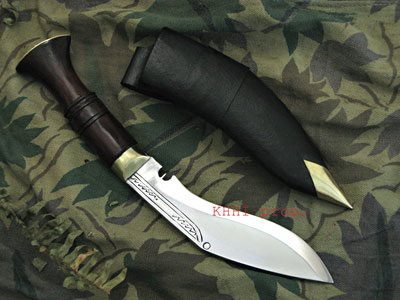
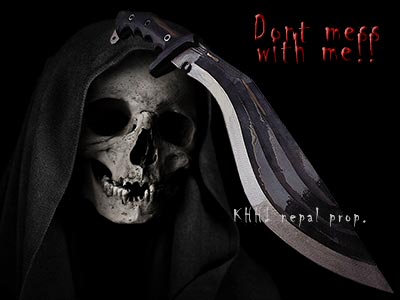
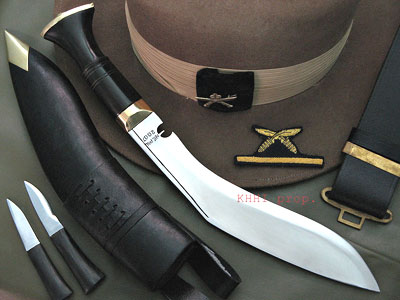
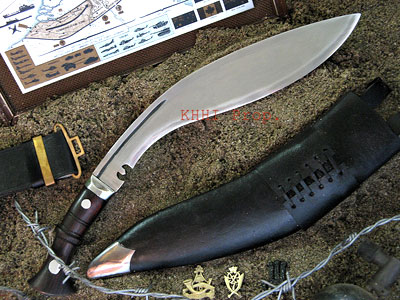
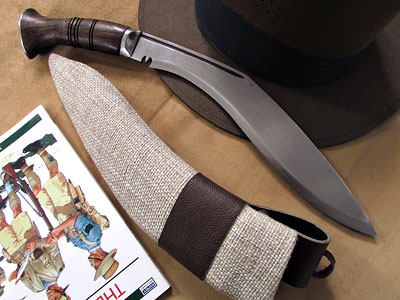
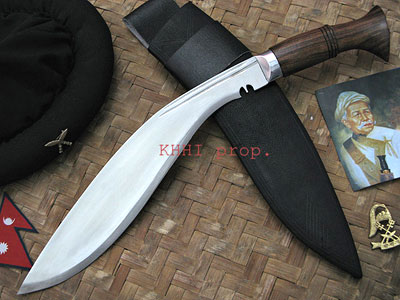
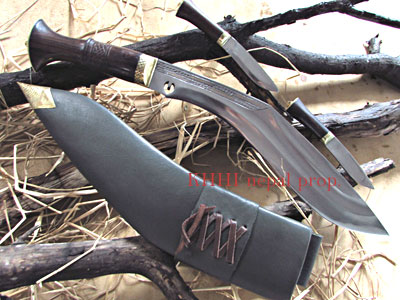
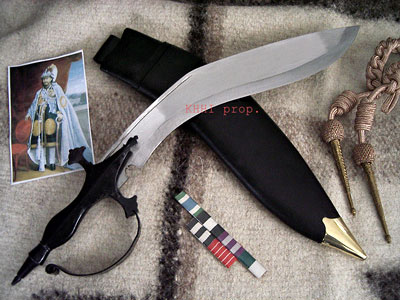
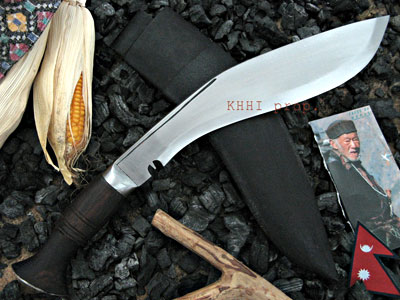
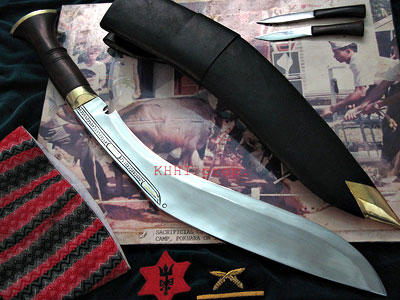
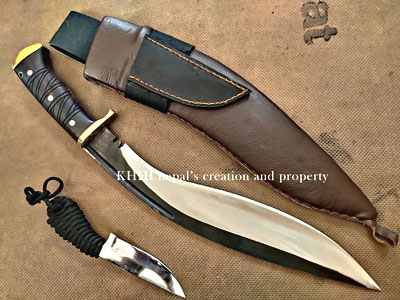
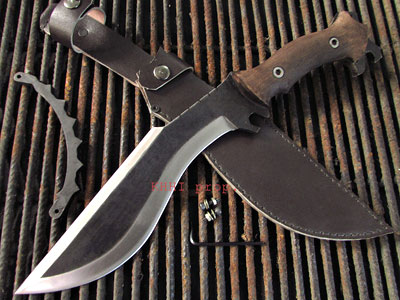
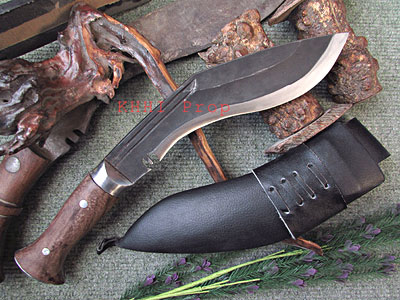
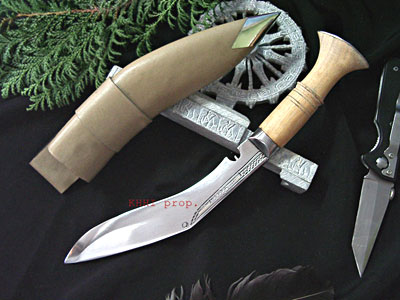
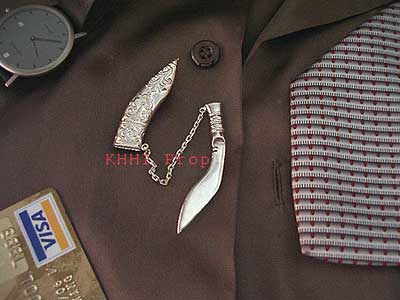
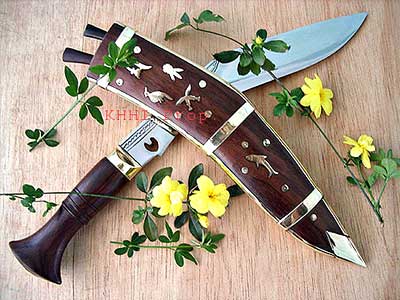
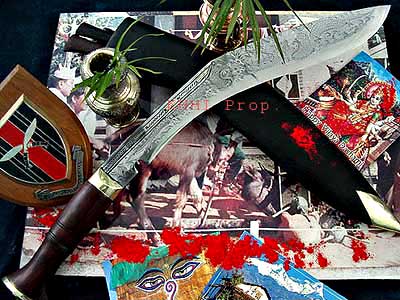
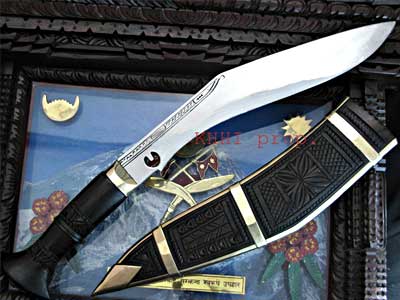
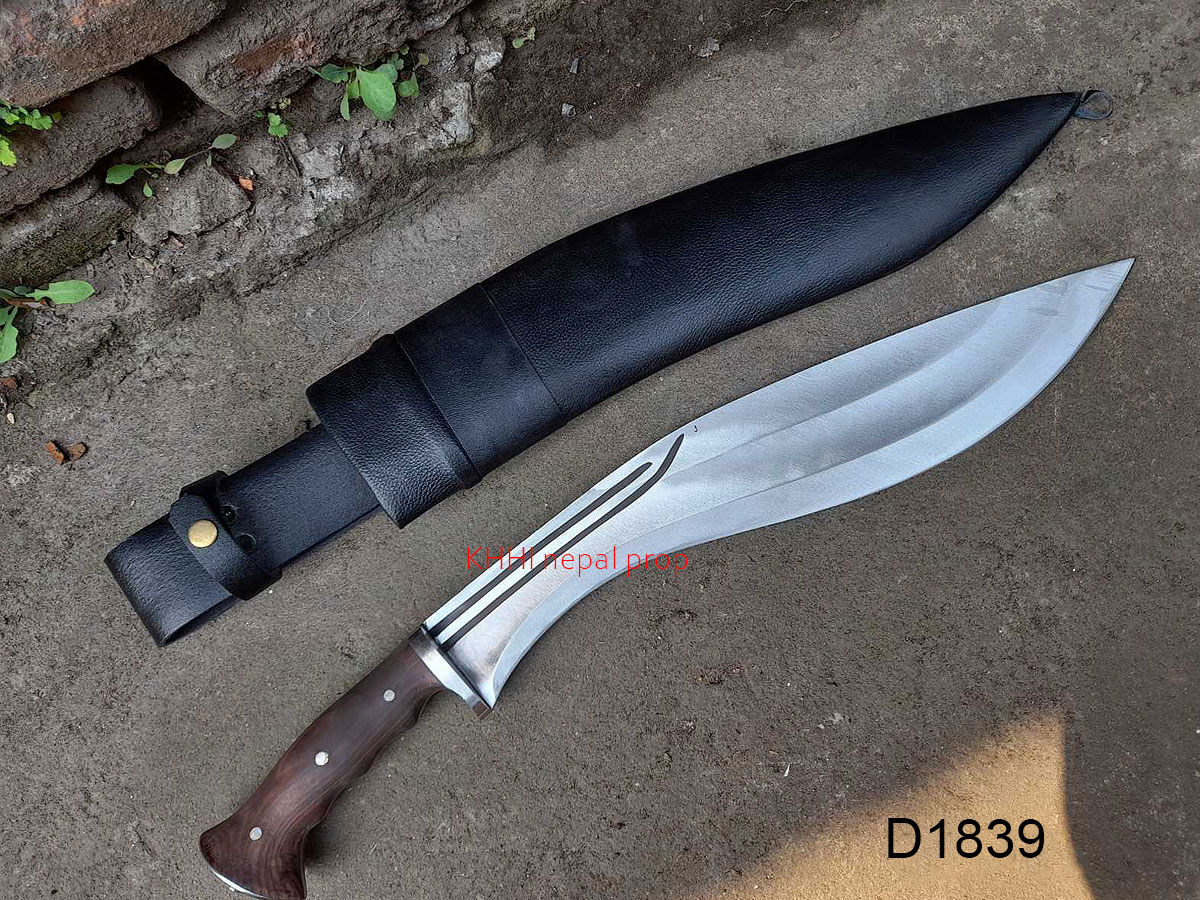
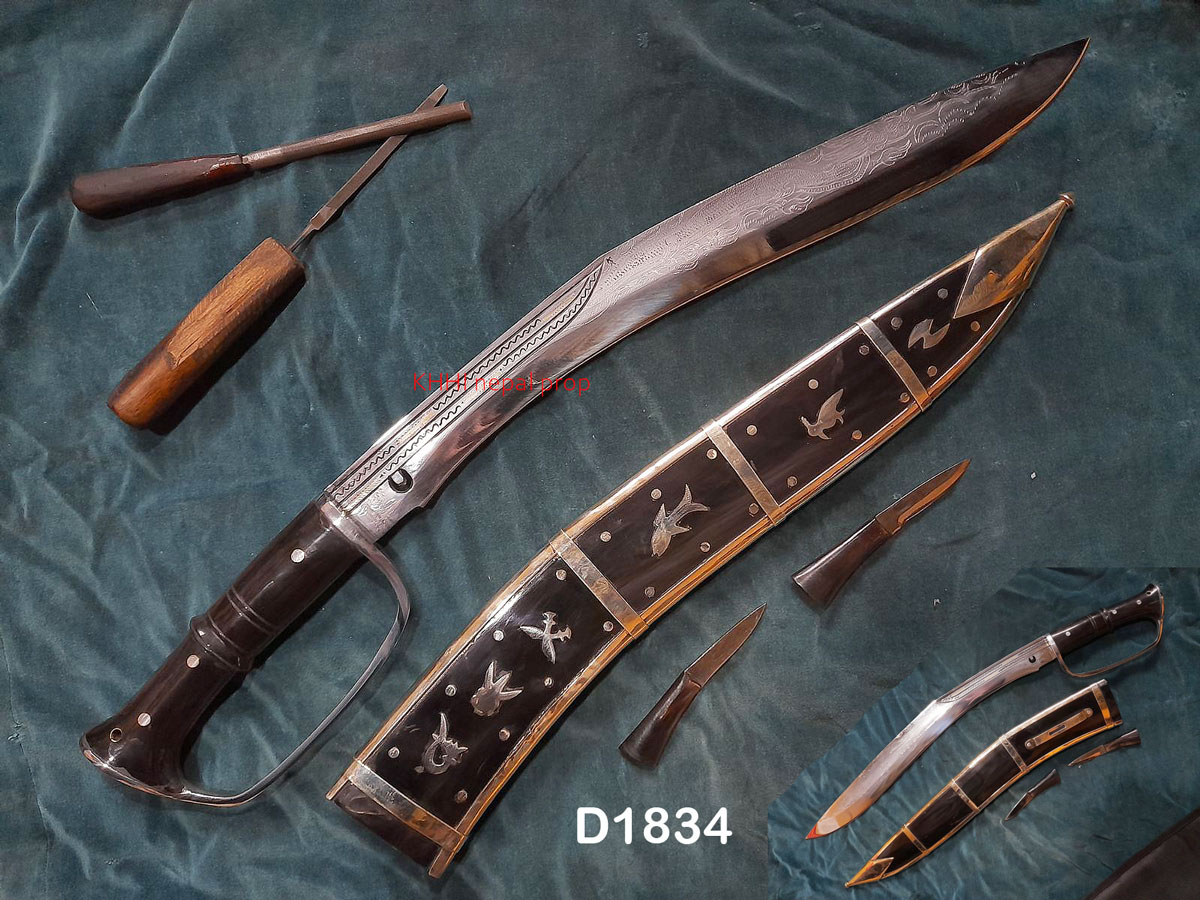
A mid-length curved knife comprising a distinctive “Cho” that is the national knife and icon of Nepal, basic and traditional utility knife of Nepalese, a formidable and effective weapon of the Gurkhas and an exquisite piece of local craftsmanship that symbolizes pride and valor which also represents the country and it’s culture. Believed to have existed 2500 years ago; “Kopi” is the probable source of the Khukuri that was used by Greek in the 4 th BC. However, khukuri came into limelight only in and particularly after the Nepal War in 1814-15 after the formation of British Gurkha Army. Basically carried in a leather case, mostly having walnut wooden grip and traditionally having two small knives, it is one of the most famous and feared knives of the world.
A mid-length curved knife comprising a distinctive “Cho” that is the national knife and icon of Nepal, basic and traditional utility knife of Nepalese, a formidable and effective weapon of the Gurkhas and an exquisite piece of local craftsmanship that symbolizes pride and valor which also represents the country and it’s culture. Believed to have existed 2500 years ago; “Kopi” is the probable source of the Khukuri that was used by Greek in the 4 th BC. However, khukuri came into limelight only in and particularly after the Nepal War in 1814-15 after the formation of British Gurkha Army. Basically carried in a leather case, mostly having walnut wooden grip and traditionally having two small knives, it is one of the most famous and feared knives of the world. |
Geographically located in the south-east Asia between India and China, Nepal, a Hindu country with a population of more than 28 billions is actually believed to have existed for...
Geographically located in the south-east Asia between India and China, Nepal, a Hindu country with a population of more than 28 billions is actually believed to have existed for over 1500 years but the universal recognition as a country came only after the unification in the mid 17th Century. Kathmandu is the Capital city; also known as the Land of Temples, houses the majestic Himalayas; is the birth place of Lord Buddha, embraces the amazing natural beauty and believed to have resided by Gods of heaven.
|
About 120km west of Kathmandu, Gorkha is a small mid western district in Nepal in today’s context but with immense historic significance with a population of more than 3 million...
About 120km west of Kathmandu, Gorkha is a small mid western district in Nepal in today’s context but with immense historic significance with a population of more than 3 million were majority of people belonging to Thapa, Magar, Gurung, Rai tribes reside. Kings, generals and army of Gorkha conquered several small scattered kingdoms into one big and named it as “Nepal” in around 1767AD. Gorkha was captured by the Rajputs of N India in early 16th century.
|
Title taken from “Gorkha”, also known as “Gorkhali”. People from Gorkha, especially army and soldiers from this place with whose strength king Prithivi Narayan Shah united Nepal in ...
Title taken from “Gorkha”, also known as “Gorkhali”. People from Gorkha, especially army and soldiers from this place with whose strength king Prithivi Narayan Shah united Nepal in 1760’s. Known for their military prowess, their courage, their brutality and their religions fervor; most Gorkhas are modestly built hindoos, religious and devoted, calm in nature yet ferocious fighter with the warrior intuition in blood.
|
As they were later known after the “Treaty of Saugali” in 1815. Gorkhas and British East India Company fought against each other during their military campaigns out of which ...
As they were later known after the “Treaty of Saugali” in 1815. Gorkhas and British East India Company fought against each other during their military campaigns out of which both stimulated respect and admiration for one another which later contributed to national level agreement that gave British the right to recruit Gorkhas under their Government and hence “British Gurkhas” was born. Interestingly “Gorkhas” was called “Gurkhas” (which is universal accepted now), this is what we see as an anglicized version of a word first heard by English ears back in the early 18th century. Britain and India both recruit Gurkhas presently. |
|
| |
| Company Profile |
|
|
|
|
|
|